
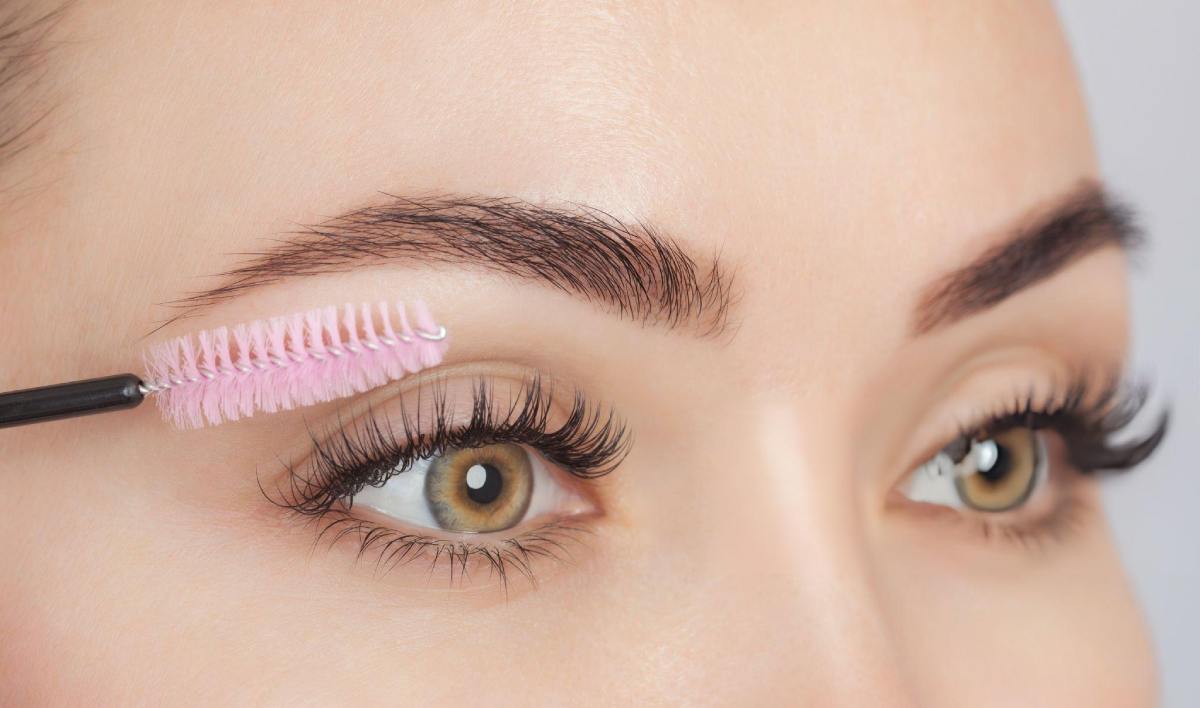

The eyes are more than just “windows to the soul”—they are the most delicate anatomical feature of the face. The skin surrounding the eyes is roughly 40% thinner than the skin on the rest of the body, lacking the sebaceous glands that provide natural moisture. Meanwhile, eyelashes serve as the first line of defense, filtering dust and protecting the ocular surface.
In the modern beauty landscape, the Eyes & Lashes category has evolved into a high-tech discipline. From prostaglandin-free serums to “lash mapping” extensions, we are seeing a shift toward specialized care that prioritizes long-term health over short-term “drama.”
1. The Biology of the Blink: Understanding Lash Growth Cycles
To master lash care, you have to understand the “hardware.” Every eyelash on your lid is at a different stage of a three-part life cycle. Understanding this rhythm is the key to managing expectations for serums and extensions.
- The Anagen Phase (Growth):This is the active phase where the hair is attached to the dermal papilla (the blood supply). Typically, only 40% of your upper lashes are in this phase at once.
- The Catagen Phase (Transition):The follicle shrinks and detaches from the blood supply. If a lash is pulled out during this phase, the follicle stays empty until the cycle restarts—explaining why “plucking” is so damaging.
- The Telogen Phase (Resting/Shedding):The lash is just “sitting” there until it falls out naturally. We lose 1 to 5 lashes per day, which is perfectly normal.
Modern Lash Serums work by attempting to keep the lash in the Anagen phase for longer. By extending the growth window, the lash can reach lengths it wouldn’t naturally achieve.
2. The Skin Around the Eyes: Specialized Care for the Periorbital Area
Because the skin here is so thin, it is the first area to show “inflammaging,” fatigue, and environmental damage. Traditional face moisturizers are often too heavy for this area, potentially leading to milia (tiny white keratin bumps).
Addressing the “Triple Threat”: Circles, Bags, and Lines
- Dark Circles:These are usually caused by either “vascular pooling” (blood showing through thin skin) or hyperpigmentation. Ingredients like Vitamin K and Caffeine help constrict vessels, while Vitamin C brightens the pigment.
- Puffiness:This is often lymphatic buildup. Modern eye care involves “cryo-therapy”—using cold metal applicators or jade rollers to encourage drainage.
- Fine Lines:Since there are no oil glands, this area “crinkles” easily. Peptides and Encapsulated Retinol are the gold standards here, as they stimulate collagen without the irritation of traditional retinoids.
3. Advanced Lash Enhancements: From Lifts to Mapping
We have moved far beyond the “strip lash” era. Today, lash enhancements are bespoke services that function almost like “semi-permanent makeup.”
The Lash Lift and Tint
Essentially a “perm for your lashes,” a lift uses a cysteamine-based solution to break and reset the disulfide bonds in the hair. This creates a permanent curl that lasts 6–8 weeks. When paired with a vegetable-based tint, it provides the “clean girl” aesthetic—looking naturally polished without a drop of mascara.
The Art of Lash Mapping
Professional lash extensions are no longer “one size fits all.” Technicians now use Lash Mapping to alter the perceived shape of the eye:
- The Doll Eye:Longer lashes in the center to make eyes appear rounder and more “open.”
- The Cat Eye:Graduated length toward the outer corners to elongate the face.
- The Kim K/Wispy Look:Using “spikes” of different lengths to create a textured, natural appearance.
4. Ocular Safety and the “Clean Eye” Movement
The eyes are highly absorbent mucous membranes. This has sparked a “Clean Eye” movement, focusing on the toxicology of eye cosmetics.
The Prostaglandin Controversy
Many viral growth serums use prostaglandin analogs (like Isopropyl cloprostenate). While effective, they have been linked to “orbital fat loss”—which makes eyes look sunken—and permanent darkening of the iris. The “modern” approach favors Peptide-based serums (like Myristoyl Pentapeptide-17), which condition and strengthen the hair without systemic side effects.
Preservatives and “Dry Eye” Syndrome
Ingredients like Benzalkonium chloride (BAK), commonly found in eye drops and mascaras, can damage the “Meibomian glands” (the glands that produce the oil for your tears). Modern eye-safe brands are now formulating without these harsh preservatives to prevent chronic dry eye and irritation for contact lens wearers.
5. Modern Eye Makeup Artistry: Working with Geometry
Aesthetic trends for eyes have shifted from “hiding” features to “sculpting” them.
- The “Fox Eye” and Brow Lifts:Using “thread-lifting” techniques or simply strategic “upward” eyeshadow blending to create a snatched, lifted look.
- The “Inner Corner Pop”:Using high-shimmer pigments only on the lacrimal caruncle (inner corner) to create an instant “bright-awake” effect.
- Cool Tones vs. Warm Tones:While “sunset” palettes dominated for years, we are seeing a return to “90s Grunge” Cool Tones—taupes, slates, and espresso browns—which provide a more natural-looking shadow and depth.
6. Maintenance and “Lash Hygiene”
One of the biggest misconceptions is that you shouldn’t wash your eyes when wearing extensions or a lift. In reality, Lash Hygiene is critical to prevent Blepharitis (inflammation of the eyelids caused by bacterial buildup).
Using an oil-free, foam cleanser specifically designed for eyes ensures that dead skin and makeup don’t build up at the lash line. This not only keeps the eyes healthy but actually improves the longevity of your enhancements by keeping the follicles clear and the adhesive bonds clean.
Conclusion
The Eyes & Lashes category is where high-stakes health meets high-impact beauty. By understanding the growth cycles of your lashes, respecting the fragility of the periorbital skin, and choosing “cleanical” ingredients, you can achieve a look that is both striking and sustainable.
