
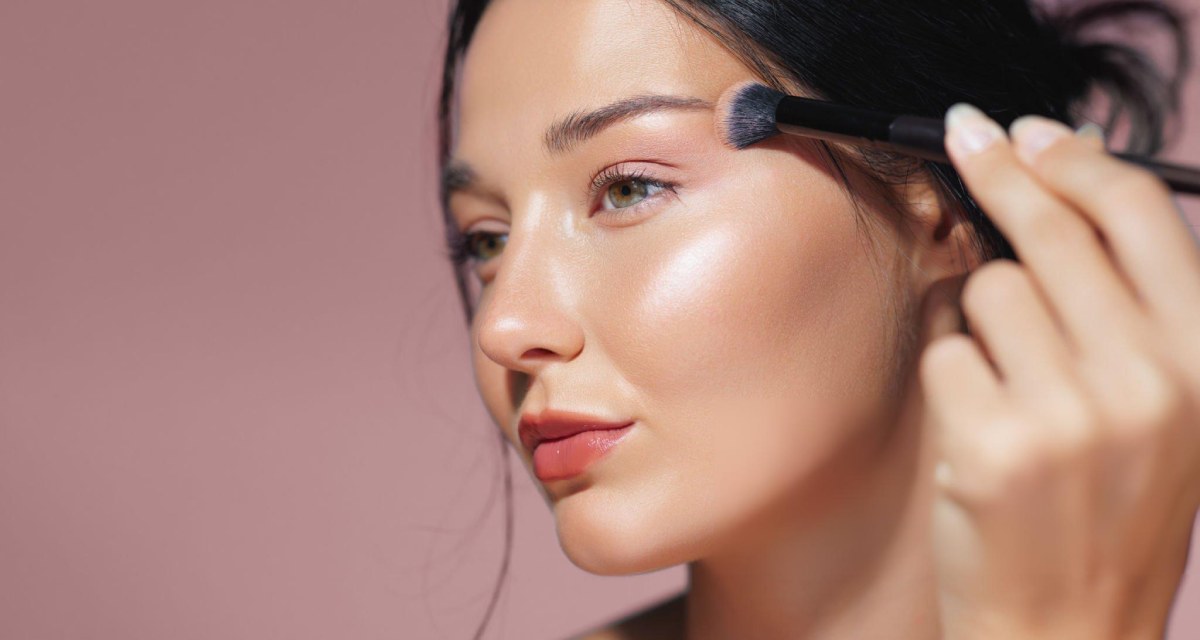

Cosmetics have been a part of human history for millennia, but the current era represents a “Renaissance.” We are seeing a blurring of the lines between skincare and makeup—a category often referred to as “Complexion Care.” Modern consumers are more informed than ever, reading ingredient labels like chemists and demanding transparency from the brands they support.
To understand the 1,800-word scope of the modern cosmetics industry, one must look past the pigment and into the pillars of formulation, sustainability, and digital-first artistry.
1. The Chemistry of Color: Pigment Innovation and Ocular Safety
At the heart of every lipstick, eyeshadow, and foundation is the science of pigment. In the past, achieving high-impact color often required the use of heavy metals or harsh synthetic dyes. Today, the focus is on Micronized Pigments and Bio-synthetic Colors.
The Shift to Mineral and Plant-Based Pigments
Modern cosmetics are increasingly utilizing iron oxides and micas that are ethically sourced and lab-purified to ensure they are free from contaminants like lead or arsenic. For the “Clean Beauty” enthusiast, plant-derived pigments from beets, turmeric, and berries are being stabilized through advanced encapsulation, allowing for vibrant color without the need for coal-tar dyes.
Ocular and Oral Safety
Because cosmetics are applied near the eyes and mouth, “Biocompatibility” is the new industry standard. This involves formulating products at a pH level that matches the skin’s natural acid mantle (around 5.5) and ensuring that preservatives are non-irritating to the mucous membranes.
2. The Rise of “Cleanical” Beauty: Where Lab Meets Life
The “Natural vs. Synthetic” debate has been replaced by the “Cleanical” movement. This hybrid approach combines the safety of “clean” ingredients (free from parabens, phthalates, and sulfates) with the high-performance efficacy of “clinical” actives.
Makeup as Skincare
Modern foundations and concealers are now “treatment-infused.” We see the inclusion of:
- Hyaluronic Acid:To provide 24-hour hydration under makeup.
- Niacinamide:To treat acne and redness while providing coverage.
- Peptides:To firm the skin and reduce fine lines over time.
This shift means that the more you wear these cosmetics, the better your “naked” skin becomes. The goal is no longer to hide the skin, but to support its biological functions while providing an aesthetic boost.
3. The Digital Artistry: The Influence of AI and Social Algorithms
Cosmetic trends are now born in the digital space. Platforms like TikTok and Instagram have created a “Feedback Loop” between creators and chemists.
The “Filter-Free” Movement and HD Formulations
As high-definition cameras become standard on smartphones, cosmetics have had to evolve. “Caking” or “Creasing” is unacceptable in the 4K era. This led to the development of Silicone-Free Primers and Micro-blurring Powders that use light-diffusing particles to mimic the effect of a digital filter in real life.
AI-Powered Personalization
From “Virtual Try-On” tools to AI algorithms that scan your skin tone to find a perfect foundation match, technology is removing the guesswork from cosmetic shopping. This level of personalization ensures that consumers buy the right product the first time, reducing waste and increasing customer satisfaction.
4. Sustainability: The Circular Cosmetic Economy
The cosmetics industry has historically been a major contributor to plastic waste. However, a new era of Sustainable Beauty is prioritizing the planet as much as the palette.
Refillable and Biodegradable Packaging
Luxury and indie brands alike are moving toward “forever cases”—high-quality compacts or lipstick tubes that can be refilled with new product cartridges. Additionally, we are seeing the rise of Compostable Packaging made from mushroom mycelium or seaweed, which breaks down entirely in a home garden.
The “Waterless” Movement
Traditional liquid cosmetics are up to 80% water. By creating anhydrous (waterless) formulas like stick foundations, powder-to-liquid cleansers, and solid balms, brands are reducing their shipping weight (lowering carbon footprints) and eliminating the need for harsh synthetic preservatives that are usually required to prevent bacterial growth in water-based products.
5. Radical Inclusivity and the Global Aesthetic
Cosmetics are the ultimate tool for self-expression, and the industry is finally reflecting the diversity of the global population.
The “Fenty Effect” and Shade Range Expansion
It is now industry-standard for brands to launch with 40 to 50+ shades of foundation. But inclusivity goes beyond just the number of shades; it’s about Undertone Accuracy. Modern cosmetics are formulated to account for the nuances of olive, red, and blue undertones in deep skin, as well as the cool and warm variations in fair skin.
Gender-Neutral Beauty
The “For Men” or “For Women” labels are disappearing. Cosmetics are increasingly being marketed as Gender-Neutral, focusing on skin concerns (like oiliness or redness) rather than traditional gender roles. This reflects a broader cultural shift toward makeup as a tool for “Self-Care” rather than just “Grooming.”
Conclusion
Modern cosmetics represent a sophisticated marriage of technology and humanity. Whether you are looking for a “clean” serum-foundation that protects your skin from blue light or a high-pigment eyeshadow that reflects your digital identity, the options are limitless. By choosing products that are biocompatible, sustainable, and inclusive, you aren’t just changing your look. You are participating in a global movement toward a more conscious and creative world.
