
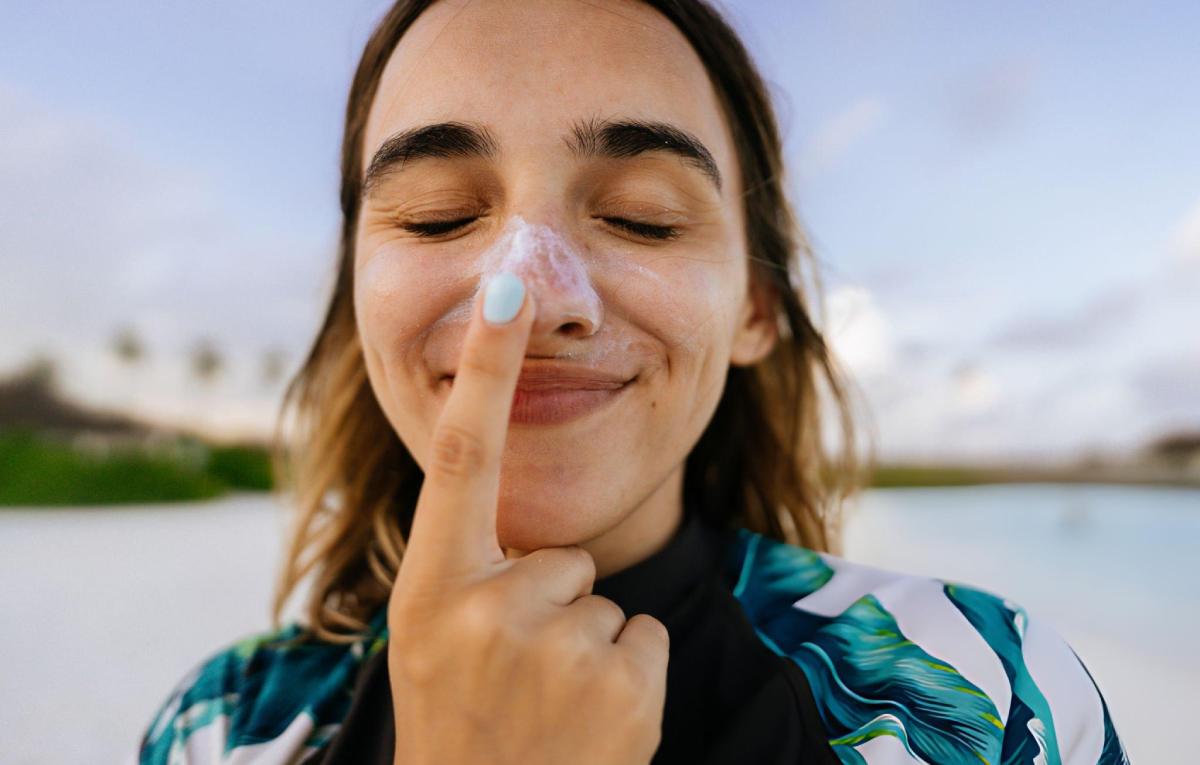

Moisturizer for your skin: In many parts of the country, winter wreaks havoc on the skin. When cold, dry outdoor air mixes with the dry heat of indoor spaces, conditions akin to those of the Sahara Desert are created. Add to this the incessant hand-washing—performed in the hope of warding off viruses—and the result is dry, itchy skin.
For most people, skin dryness can be easily remedied by adjusting one’s moisturizing routine. But with hundreds of products available, where do you start? To help you make your choice, we asked board-certified dermatologists from the American Academy of Dermatology to share their recommendations for the best moisturizers for every skin type. Here is what they told us.
First, know your emollient options
“There is certainly no universal solution suitable for all skin types,” asserts Dr. Rebecca Kazin, MD, FAAD, a board-certified dermatologist practicing in Bethesda. In reality, the term “moisturizer”—whose function is to deliver moisture to the skin while preventing its loss—can refer to a variety of different products, including lotions, gels, creams, and ointments.
There are subtle differences between them. A gel is generally water-based and feels lighter on the skin than a lotion. A cream is thicker and has a higher fat content than a lotion or a gel, making it more moisturizing. An ointment is the thickest of all, making it the most effective product for addressing dry skin. The emollients found in these moisturizing products keep the skin soft and smooth.
Next, know your skin type
Choosing the most suitable moisturizer depends on your skin type as well as the severity of your skin dryness. Dr. Jason A. Clark, a board-certified dermatologist practicing in Atlanta (FAAD), emphasizes that to receive the most precise and personalized advice tailored to your specific skin type, it is advisable to consult a dermatologist. However, for general guidance, you may follow this guide.
Normal Skin: If you experience seasonal dryness while your skin is otherwise normal, Dr. Clark notes that a lotion is sufficient for most younger individuals. However, as we age, the skin retains moisture less effectively and requires additional support. Dr. Kazin recommends that women in perimenopause—as well as anyone aged 50 and older—opt for a cream-based moisturizer.
Dry Skin: If your skin tends to be dry—and winter dries it out even further—Dr. Clark advises setting aside lotions in favor of a thicker, more effective product. “Creams provide superior hydration to the skin and lock in more moisture than lotions; ointments are even more effective,” he notes. “Consequently, anyone with dry skin should start by using a cream or an ointment, and avoid using lotions entirely.”
Oily Skin: For some people, excessive moisturizing can clog pores and trigger acne breakouts; in individuals with black or brown skin, acne can lead to issues with discoloration and hyperpigmentation. Dr. Clark recommends considering going without a moisturizer altogether or, alternatively, opting for a gel—which is lighter than other types of moisturizing products.
Finally, follow these dry-skin do’s and don’ts
Do
- Apply moisturizer immediately after showering: when the skin is still damp, thicker creams and ointments spread more easily; furthermore, hydration proves more effective because it traps water within the skin and prevents its evaporation, notes Dr. Clark. “Apply your moisturizer to your skin right after stepping out of the shower to prevent water loss,” he advises.
- Listen to your skin: having a skincare routine is excellent, but it is important to adjust it on certain occasions—for instance, to adapt it to seasonal changes—notes Dr. Kazin. That said, exercise caution when incorporating new products into your routine. Avoid those containing alcohol, alpha hydroxy acids (AHAs), and fragrances to help your skin preserve its natural oils.
- Pay attention to specific ingredients: Kazin suggests that, when examining a moisturizer’s ingredient list, you look for components such as ceramides—waxy lipid molecules that promote skin hydration—as well as hyaluronic acid, which is also renowned for its intense moisturizing properties. She also recommends avoiding scented products, as these can prove irritating to dry skin. For those with sensitive skin, she warns against using organic skincare lines, given that many of their ingredients are liable to exacerbate allergies. “Dermatologists’ favorite joke is that poison ivy is ‘all-natural,'” she remarks. “Therefore, just because a product is ‘all-natural’ doesn’t mean it is, in any way, hypoallergenic.”
Don’t
- Don’t neglect sun protection: the sun—much like other types of light—causes damage year-round. Protecting your skin from the sun—by seeking shade when appropriate, wearing protective clothing, and applying a broad-spectrum sunscreen with an SPF of 30 or higher—should be part of your daily routine, regardless of how light or dark your complexion is. “In addition to protecting against skin cancer, sunscreen is the number one anti-aging treatment we know of,” asserts Dr. Kazin. “It shouldn’t be an extra step, but rather one of those steps you already perform routinely.”
- Exfoliate: Kazin notes that people often make the mistake of exfoliating dry, flaky skin in winter, thereby stripping it of moisture that is already in short supply. Instead, she suggests hydrating it. “You shouldn’t be too aggressive with your facial skin; doing so ultimately leads to applying excessive amounts of moisturizer, which in turn results in skin dryness and acne breakouts—a problematic situation,” she explains.
How dry am I?
If your skin is red, cracked, itchy, tingling, or presents a rash, it is possible that it is excessively dry. Dr. Samer Jaber, FAAD—a board-certified dermatologist practicing in New York—advises making a few adjustments to your personal hygiene routine to treat excessively dry skin.
First, opt for a fragrance-free cleanser or a moisturizing body wash. Next, choose a moisturizer that feels comfortable to you and that you can use at least twice a day. Ensure that it is labeled “non-comedogenic,” which means it does not clog pores. If this approach does not seem to yield results—or if the dryness worsens and becomes painful, cracked, bleeding, irritating, or causes tingling—the specialist recommends making an appointment with a dermatologist. “You may need a prescription medication, as well as assistance in optimizing your at-home skincare routine.”
