
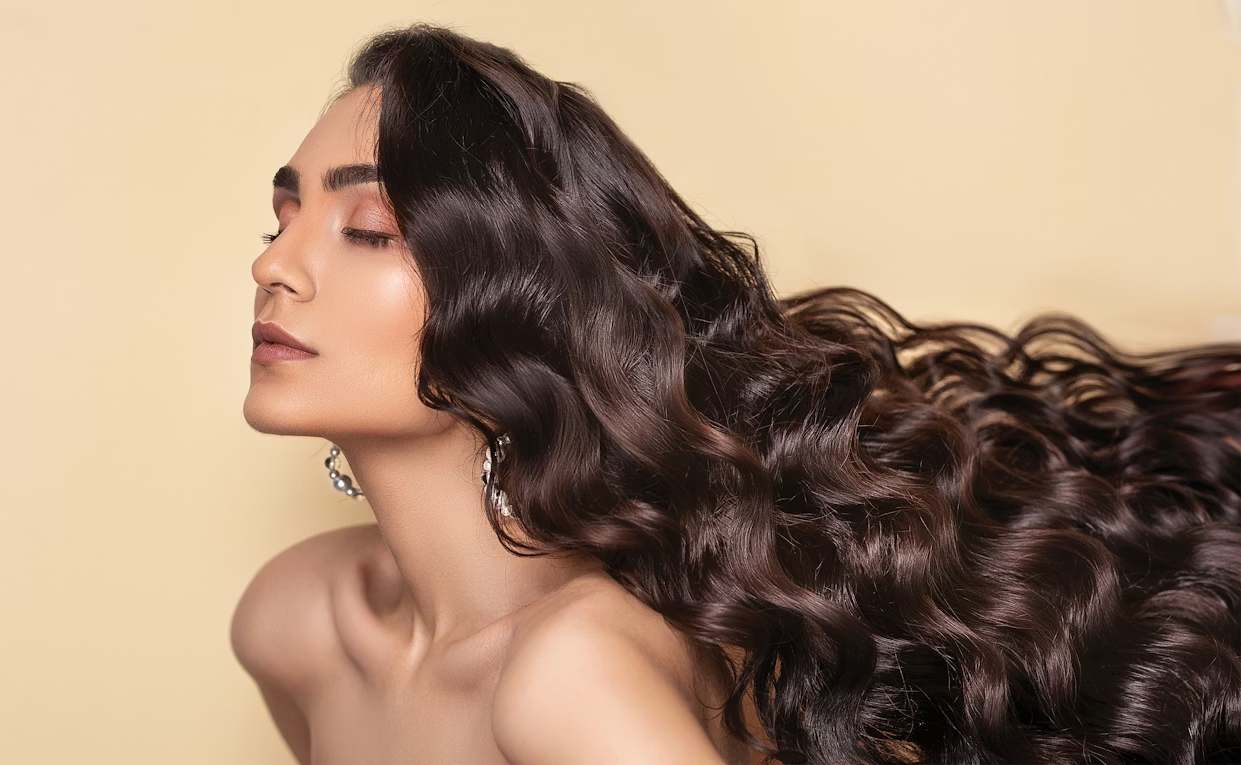

Silky hair is a universally desired asset, often regarded as a symbol of health and beauty. However, achieving this coveted hair texture can seem shrouded in mystery, surrounded by countless myths and misconceptions. Understanding the science that underlies silky hair is fundamental to effectively nourishing and maintaining it.
Understanding Hair Structure and Health
To achieve silky hair, it is essential to understand its structure. Hair is primarily composed of keratin—a protein that constitutes the fundamental building blocks of every strand. The health of your hair relies on the integrity of the keratin, as well as on the condition of the hair cuticle, which represents the outer layer of the hair shaft. Products such as Olaplex No. 6 can prove invaluable in this regard, as they act on the hair’s disulfide bonds to repair and smooth the hair shaft.
Myth vs. Truth: Common Hair Care Beliefs
Cutting your hair makes it grow faster and thicker: this is a myth. Hair growth occurs at the roots, not the ends.
Brushing your hair 100 times a day makes it shinier: excessive brushing can, in reality, damage the hair cuticle and lead to breakage.
The Role of Genetics in Hair Texture
Genetics plays a significant role in determining your hair’s natural texture, as well as the ease with which it can be transformed into soft, silky hair. Understanding your genetic predispositions can help you set realistic expectations and tailor your hair care routine accordingly.
Hydration: The Key to Silky Hair
Hydration is essential for achieving silky hair. Dry and brittle hair is more prone to frizz and breakage.
- Use of moisturizing products: Opt for shampoos, conditioners, and leave-in treatments designed to hydrate and nourish the hair.
- Deep conditioning: Regular deep conditioning treatments can significantly improve the texture and appearance of your hair.
The Impact of Diet on Hair Health
Your diet plays a crucial role in the health and texture of your hair. A diet rich in protein, omega-3 fatty acids, vitamins, and minerals can help strengthen your hair and enhance its natural shine.
Minimizing Heat and Chemical Damage
Excessive use of heated styling tools and harsh chemical treatments can strip hair of its natural oils, leaving it dull and damaged.
- Limit heat exposure: use heated styling tools in moderation and always apply a heat protectant.
- Avoid harsh chemicals: exercise caution with treatments that may alter the hair’s structure, such as excessive bleaching or perms.
Proper Hair Washing Techniques
The way you wash your hair can have a significant impact on its texture.
- Avoid hot water: hot water can strip the hair of its natural oils. Opt for lukewarm water instead.
- Gentle washing: be gentle when applying shampoo, and focus on cleansing the scalp rather than the entire length of the hair.
Hair Brushing Techniques for Silky Hair
Proper brushing can help distribute natural oils along the hair shaft.
- Use the right brush: choose a natural-bristle brush and brush gently to avoid breaking the hair shaft.
- Brush from ends to roots: begin detangling at the ends and work your way up gradually toward the roots to prevent breakage.
The Benefits of Natural Oils and Serums
Natural oils—such as argan, coconut, and jojoba—can deeply nourish the hair, making it softer and shinier. Hair serums can also form a protective layer, adding shine and reducing frizz.
Regular Hair Trims for Healthy Ends
Regular trims are essential for maintaining healthy, silky hair. They help prevent split ends, which can travel up the hair shaft and cause further damage.
Dealing with Environmental Factors
Environmental factors such as the sun, wind, and pollution can alter hair texture.
Protect hair from the sun: use hair products with UV protection.
Cover hair in harsh conditions: wear a hat or scarf to protect your hair from the elements.
Hair Masks: The Secret to Deep Nourishment
Hair masks—whether homemade or store-bought—can provide deep nourishment, thereby enhancing the hair’s natural silkiness.
Regular Use: Incorporate hair masks into your routine at least once a week.
Ingredient Selection: Opt for masks containing ingredients suited to your hair type and needs.
The Power of a Balanced Lifestyle
A balanced lifestyle—including adequate sleep, stress management, and regular physical activity—can positively influence hair health.
A Holistic Approach to Silky Hair
Achieving silky hair requires a holistic approach that takes into account genetics, diet, lifestyle, and proper hair care practices. Understanding the science behind hair health and demystifying common myths are essential steps on this journey.
By nourishing your hair from within and paying attention to external factors, you can unlock the secret to a wonderfully silky mane that radiates health. Remember that the path to silky hair relies just as much on care and patience as it does on the products and techniques you use.
