
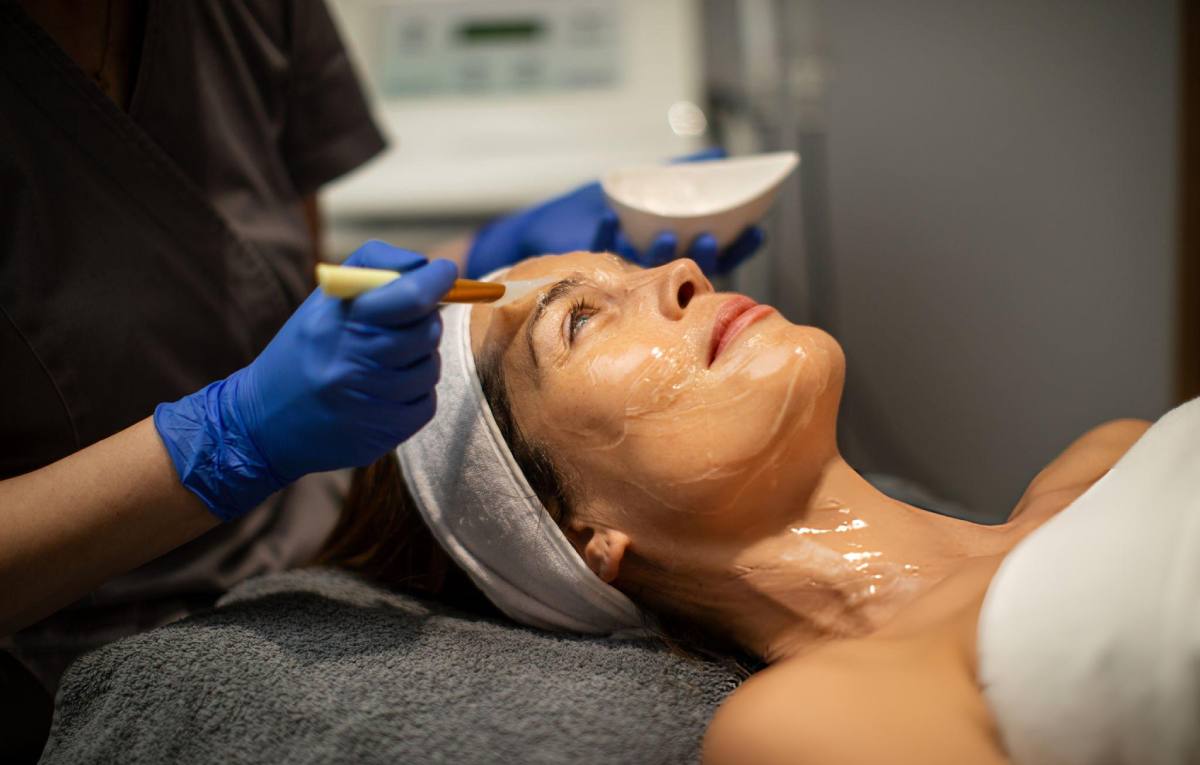

A mud mask is a skincare treatment formulated from natural mud or clay that is rich in minerals. It is applied to the face or body to cleanse, detoxify, and refresh the skin. Mud masks have been used for centuries in beauty traditions around the world, particularly in spa treatments.
What Is a Mud Mask?
A clay mask is formulated from natural mud harvested from locations such as seas, lakes, and volcanic areas. Among the most prized sources is the Dead Sea, which is rich in minerals such as magnesium, calcium, and potassium. These minerals help improve skin health.
Famous Clay Used For Mud Masks
- Fuller’s Earth
- Bentonite Clay (Multani Mitti)
- Dead Sea Clay
- Aztec Secret Indian Healing Clay
- French Green Clay
- Pink Clay (French Pink Clay)
- Rhassoul Clay (Moroccan Volcanic Clay)
- Cambrian Blue Clay
- Irish Peat Clay
- Kaolin Clay
What are the Primary Benefits of a Mud Mask?
Although the revitalizing benefits of a clay mask vary slightly depending on the type of clay used, all clay masks work in the same way. Here is a brief explanation of how they care for your skin!
Clay contains numerous essential minerals, such as iron, magnesium, sodium, potassium, and calcium. The moment water is added to the clay, the H2O molecules react with the minerals, imparting a net negative electrical charge to the clay mixture.
Clinical Benefits of Mud Masks
- Improves hydration of the stratum corneum
- Stimulates dermal blood circulation
- Supports collagen synthesis
- Controls insensible water loss (IWL)
- Balances the skin microbiota
- Reduces the number of acne lesions
- Diminishes hyperpigmentation
- Promotes lymphatic drainage
- Accelerates epidermal turnover
How to Use a Mud Mask?
Using a clay mask correctly results in clean, radiant, and healthy skin. Clay masks formulated with mineral-rich ingredients—such as those derived from the Dead Sea—are particularly effective for deep cleansing and detoxification.
DIY Mud Mask
The first step in preparing a homemade clay mask is choosing the clay. You can find all kinds of clays online without spending a fortune. And don’t worry: buying clay for a homemade face mask is far more affordable than visiting a spa. (Mosaic)
Now that your clay is ready, let’s move on to preparing the mask! There are many different elements or ingredients you can use to create your mask.
Apple Cider Vinegar
- Two tablespoons of clay
- 2 tablespoons of apple cider vinegar
- Composed of just two ingredients, this mask makes for the ideal starting point if you are new to using homemade masks.
- If your clay mixture seems too runny, simply mix in a little more clay. Conversely, if your preparation is too thick, you can add a few extra drops of apple cider vinegar. It’s child’s play!
Mud mask with Lemon Juice
- 2 tablespoons of clay
- 1 tablespoon of lemon juice
- 1 tablespoon of lukewarm water
- This is the ideal mask for oily skin, as it contains lemon juice. However, it is not the mask to use if your skin is also dry.
Honey Mud Mask
- 2 tablespoons of clay
- 1 tablespoon of honey
- 1 tablespoon of warm water
Shelf Life and Storage Guidelines
- Shelf life: 12 to 24 months
- Store at a temperature below 25°C
- Avoid direct exposure to sunlight
- Use an airtight container
- Do not contaminate with water
Industry Trends (2025–2026)
- Rise of mineral-enriched mud masks
- Growing demand for certified organic clay
- Increase in hybrid clay-charcoal masks
- Probiotic mud mask formulations
- Vegan and sulfate-free masks
Conclusion
Clay masks are far more than mere traditional skin remedies; they are mineral-rich topical treatments that promote deep pore cleansing, sebum regulation, and skin detoxification through natural mechanisms of adsorption and ion exchange. Whether formulated with bentonite, kaolin, or Dead Sea mud, these masks address a variety of dermatological concerns—such as acne, excess sebum, lack of radiance, and uneven skin texture.
Provided they are used correctly—tailored to one’s specific skin type—and feature an appropriate formulation, clay masks serve as an effective, affordable, and scientifically supported addition to any skincare routine, thereby contributing to the overall health and clarity of the skin.
