
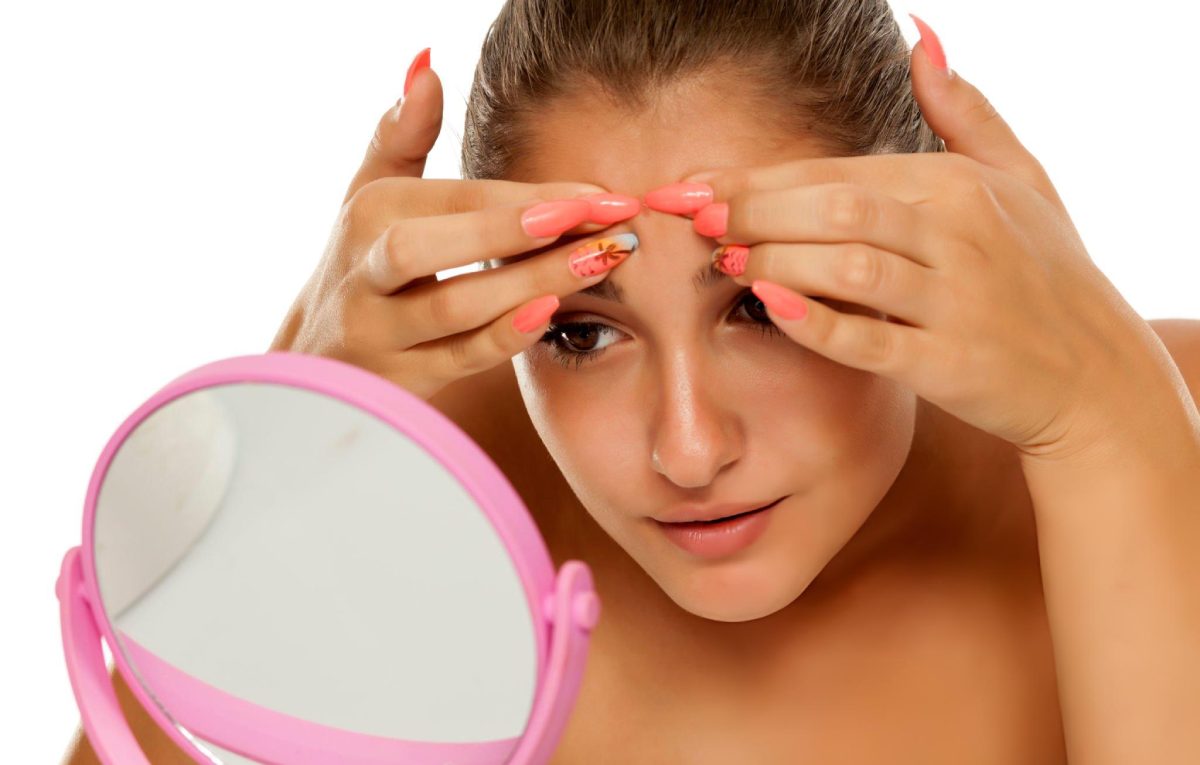

Pimple: When blackheads and pimples appear, the first instinctive reaction is usually to apply pressure—which causes stinging and a throbbing sensation. Stop; this will only make things worse. If you follow these eight rules, you can keep skin imperfections under control in just 60 seconds. From that point on, your skin takes care of the healing itself.
1. Stay away
It is easier said than done. Sometimes, it takes almost superhuman willpower to keep your hands away from a newly discovered blemish.
They can itch, hurt, and—most importantly—make you feel uncomfortable in your own skin. But: unless a pimple is a whitehead—that is, visibly filled with pus—squeezing it is an absolute taboo! This is especially true for blemishes located deep within the skin’s layers, as well as those that appear on the buttocks.
Barely perceptible dirt often accumulates under the fingernails, which exacerbates inflammation. The sharp edges of the nails can even injure the skin so severely that they leave scars. Furthermore, the skin no longer takes the usual four days to heal, but rather three to four times longer.
2. Peeling break
Unfortunately, simply rubbing the pimples is not enough.
Exfoliation is a preventive measure, as it dissolves dead skin cells, allowing sebum to flow more easily out of the pores. On the other hand, if you exfoliate a pimple, you will achieve precisely the opposite of the desired effect: the bacteria present on the skin will spread and can lead to increased inflammation.
- It is highly recommended to use a gentle cleansing foam or gel, rather than irritating skin that is already inflamed through exfoliation.
- Spray a skin antiseptic onto a cotton pad and gently dab the pimple.
- Zinc ointment or hydrocortisone cream can be useful for treating particularly painful inflammation.
3. Cool, cool, cool
Cold reduces inflammation and ensures that a pimple does not hurt as much. Heat—for example, from hot compresses—on the other hand, allows pores to open and inflammation to come to the surface.
4. The best home remedies for pimples
Almost everyone has these first-aid remedies close at hand in the kitchen.
- Honey and cinnamon both possess antiseptic properties.
- Tea tree oil—available at pharmacies and drugstores, including in a pen-style applicator format—also exerts anti-inflammatory and healing effects.
- Diluted apple cider vinegar helps the skin stabilize its natural pH and has an “astringent” effect: it constricts pores and stimulates blood circulation. Mix a few drops of vinegar with water in a 1:4 ratio, soak a cotton pad in the mixture, and use it as a facial toner.
- Baking soda—or, better yet, pure sodium bicarbonate—removes damaged skin cells and dirt. To do this, mix it with a small amount of water and apply the resulting paste to the affected areas as a face mask. Leave the mixture on until it dries.
If you have sensitive skin, avoid using the baking soda treatment, as contact could cause redness.
5. Quick help with eye drops
If you discover a pimple shortly before heading out, eye drops can be helpful—though only temporarily. These drops—commonly used for puffy eyes—diminish the appearance of reddish marks by causing blood vessels to constrict. However, they have no curative effect. You can also apply toner to the affected area to soothe it.
6. Cover pimples properly
- A stick concealer containing salicylic acid temporarily renders the blemish invisible and promotes healing. Since this product is typically a rather dense paste, we recommend applying it with a cotton pad or cotton swab to achieve the best possible visual result.
- Foundation and Makeup: Once the inflammation has subsided, you can switch from the concealer to a foundation or a lightweight makeup product with antibacterial properties.
- Powder: Finally, set the look with a touch of mineral powder to cover any redness that may still be slightly visible.
